
Chronic nerve pain can seriously disrupt daily life. Simple activities like walking, sitting, or even sleeping can become challenging. Many people feel stuck when medications, injections, or physical therapy don’t provide enough relief. The good news? Newer, targeted treatments are changing how chronic neuropathic pain is managed.
Dorsal Root Ganglion (DRG) stimulation is an advanced treatment designed to address nerve pain at its source. Instead of only masking pain symptoms, this therapy works by reducing pain signals before they reach the brain, offering long-term relief for people who haven’t responded to traditional treatments.
What Is Dorsal Root Ganglion Stimulation Therapy?
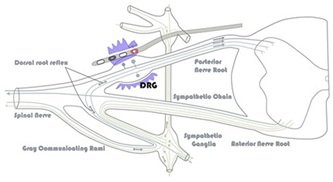
DRG stimulation therapy is a specialized form of nerve stimulation that targets the dorsal root ganglion — a cluster of sensory nerves responsible for transmitting pain signals from different parts of the body to the brain.
By gently stimulating these nerves, the therapy helps interrupt abnormal pain signals. Unlike traditional spinal cord stimulation, DRG therapy focuses on very specific pain areas. This makes it particularly effective for pain in areas like the foot, ankle, knee, groin, hip, or lower back. Many patients report steady pain relief without uncomfortable tingling sensations.
Who May Benefit From DRG Stimulation?
DRG stimulation is often recommended for people who have experienced nerve-related pain for six months or longer and haven’t improved with standard treatments. This may include individuals with:
- Nerve damage after surgery
- Complex Regional Pain Syndrome (CRPS)
- Chronic nerve injury pain
For people living with neuropathic pain, this therapy may help improve mobility, daily functioning, and overall comfort. A detailed medical evaluation is always needed to determine if this treatment is suitable.
Understanding the DRG Stimulation Procedure
The process usually begins with a trial phase. This allows patients to test how well the therapy works before committing to a permanent implant.
During this outpatient procedure, thin wires (called leads) are placed near the targeted dorsal root ganglion using imaging guidance. These leads connect to an external device that delivers mild electrical stimulation.
The trial typically lasts several days. Patients track pain relief during this period. If pain reduces by around 50% or more, the treatment is considered successful.
What Happens During DRG Stimulator Implant Surgery?
If the trial is successful, a small device is implanted under the skin. This device delivers controlled electrical signals to help manage pain long-term.
The procedure is minimally invasive and usually performed on an outpatient basis. Most patients recover quickly and return to daily activities within a short time. Many people experience reduced pain, better sleep, improved movement, and less dependence on pain medication.
How DRG Therapy Fits Into Overall Pain and Spine Care
DRG stimulation is often part of a broader pain management strategy. Some patients may also require additional spine-related treatments, such as care for spinal compression fractures or evaluation for spinal narrowing that may be contributing to nerve pain.
Combining nerve-focused therapy with appropriate spine care can provide a more personalized and complete treatment plan.
A Promising Option for Long-Term Nerve Pain Relief
Chronic nerve pain can feel overwhelming, but treatment options continue to evolve. Targeted therapies like dorsal root ganglion stimulation are helping many patients regain control of their daily lives and reduce long-term pain.
If nerve pain is limiting normal activities, consulting a qualified pain specialist can help determine whether advanced nerve stimulation treatments may be an appropriate option.
